


Stop Googling Every Symptom at 2 AM: Why Online Self-Diagnosis Can Increase Health Anxiety
One tiny symptom… 17 possible diseases later… and suddenly you're convinced you need an emergency room. 😅
We've all been there.
You notice a headache, a little stomach discomfort, an unusual sensation, some itching, or perhaps you've simply been feeling more tired than usual. You pick up your phone and search for an explanation.
One search leads to another.
Before you know it, you're reading about serious illnesses that you had never even considered—and wondering whether that small symptom could actually be something much more serious.
The internet can be an excellent source of health information. But there is an important difference between learning about a symptom and diagnosing yourself from a search result.
Why Does Googling Symptoms Feel So Scary?
Search engines don't know your complete health picture.
A symptom can have many possible explanations. For example, a headache can occur for a variety of reasons, ranging from dehydration, lack of sleep or stress to conditions that require medical attention.
When you search for a symptom online, search results may show you both common and uncommon possibilities. Without the context of your medical history and an examination, it can be difficult to understand what information actually applies to you.
This can turn a simple question—
“Why do I have a headache?”
into:
“Could this be something serious?”
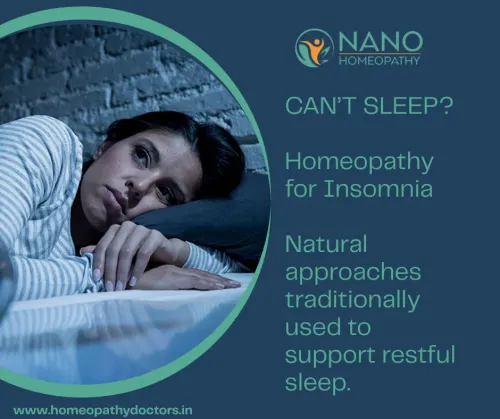
And suddenly, you're wide awake at 2 AM.
Information Is Not the Same as Diagnosis
Online health information can help you:
Understand basic health terminology
Learn about possible causes of a symptom
Prepare questions for your healthcare professional
Find information about prevention and healthy habits
But online searches cannot take the place of an individual assessment.
A healthcare professional can consider your symptoms together with your medical history, medications, lifestyle, examination findings and, when appropriate, investigations.
That context matters.
Don't Ignore Symptoms—But Don't Panic Either
The answer isn't to ignore everything you find online.
If a symptom is persistent, recurring, worsening, unusual, or concerning you, it deserves appropriate attention.
At the same time, a symptom does not automatically mean that you have the most serious condition mentioned in a search result.
Instead of immediately assuming the worst, try asking:
How long has this been happening?
Is it getting better or worse?
Does anything trigger or relieve it?
Are there other symptoms occurring with it?
Is this something I should discuss with a healthcare professional?
These questions can be much more useful than repeatedly searching the same symptom.
What About Recurring Symptoms?
Some people become accustomed to recurring problems and simply learn to live with them.
Frequent headaches, digestive discomfort, sleep difficulties, recurring skin complaints or other persistent symptoms may deserve a proper conversation with a healthcare professional rather than endless late-night searches.
During a consultation, the focus can be on understanding the whole pattern rather than looking at one isolated symptom.
For those who choose homeopathic care, a homeopathic consultation traditionally involves detailed questions about the individual's symptoms, history and overall pattern. However, homeopathy should not replace appropriate diagnosis or medical treatment, particularly for serious or urgent conditions.
When Should You Seek Medical Attention?
Some symptoms require prompt or emergency medical attention.
For example, seek urgent medical care for symptoms such as severe difficulty breathing, chest pain, sudden weakness or paralysis, loss of consciousness, severe bleeding, or other symptoms that may indicate a medical emergency.
Don't wait for an internet search to tell you what to do in an emergency.
The Bottom Line
The internet is a useful information tool, but it isn't your doctor.
So the next time you're lying awake at 2 AM thinking:
“Let me just Google this one symptom…”
remember how quickly that search can turn into twenty tabs and a completely unnecessary panic.
Don't ignore your body.
Don't diagnose yourself from a search result.
And don't panic before you have the facts.
When something concerns you, speak with an appropriate qualified healthcare professional and get the right context for your symptoms.
Dr Madhav Shyam’s Nano Homeopathy
Thoughtful consultation. Individualised care.