


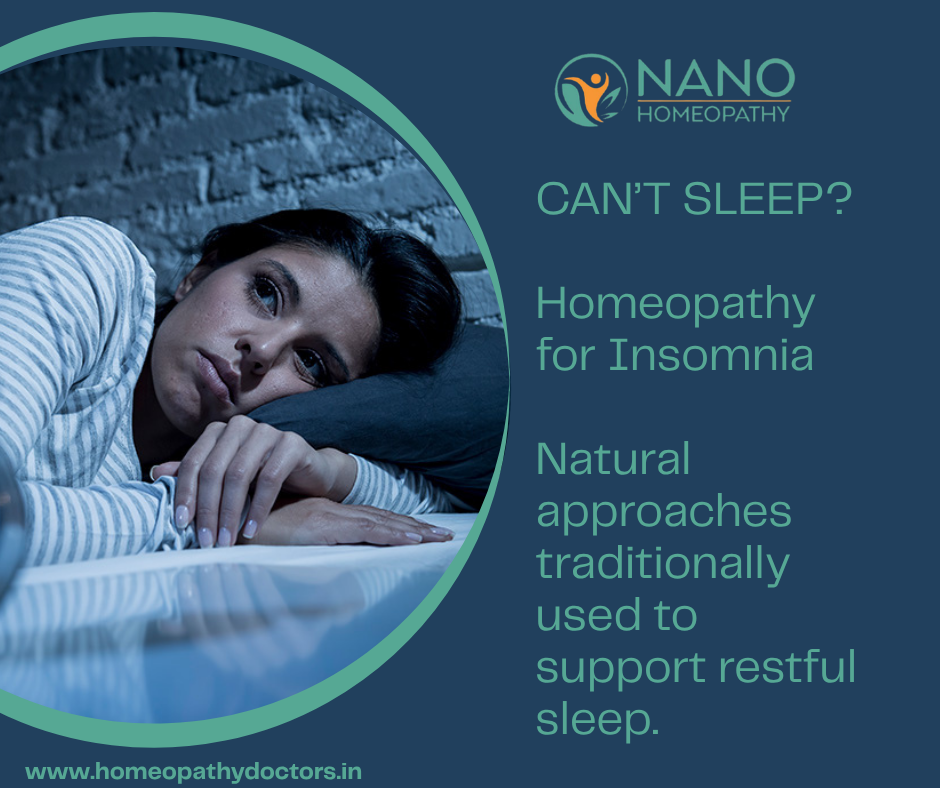
Homeopathic Approach to Insomnia: Gentle Support for Better Sleep
A peaceful night’s sleep is essential for feeling refreshed, focused and energetic throughout the day. However, a busy lifestyle, mental activity, stress and changes in daily routine can sometimes make it difficult to fall asleep or stay asleep.
Homeopathy takes an individualised approach to sleep concerns. Rather than looking at sleeplessness as just one symptom, a homeopathic practitioner considers the person’s overall pattern, including their thoughts, emotions, daily routine and the way their sleep is disturbed.
Common Homeopathic Remedies Traditionally Considered for Sleeplessness
1) Coffea Cruda
Coffea cruda is traditionally considered when the mind remains highly active at bedtime. A person may feel physically tired but continue thinking about different ideas, plans or events.
It is often associated with:
Racing or overactive thoughts
Difficulty switching off mentally
Sleeplessness after excitement
Sensitivity to thoughts, sounds or stimulation
2) Nux Vomica
Nux vomica is traditionally considered for sleeplessness associated with a hectic lifestyle and mental overwork.
It may be considered when:
The mind remains occupied with work or responsibilities
There is difficulty relaxing after a busy day
Sleep is disturbed after late nights
The person feels tired but mentally alert
3) Passiflora
Passiflora is traditionally used in homeopathic preparations for supporting relaxation and restful sleep.
It is commonly associated with:
Restlessness at bedtime
Difficulty settling down
An inability to relax after a long day
Occasional disturbed sleep
4)Kali Phosphoricum
Kali phosphoricum is traditionally considered when sleeplessness occurs alongside mental exhaustion and a demanding routine.
It may be considered for people who experience:
Mental fatigue
Tiredness after prolonged mental activity
Restless or unrefreshing sleep
Difficulty relaxing after a stressful day
Finding the Right Approach
Homeopathy follows an individualised approach, so the same remedy may not be suitable for everyone experiencing insomnia. A practitioner may consider factors such as:
When does the sleeplessness occur?
What thoughts or feelings are present at bedtime?
Does the person have difficulty falling asleep or staying asleep?
What makes the sleep better or worse?
How does the person feel the following morning?
These details help create a more complete picture and guide the selection of a suitable homeopathic approach.
Create a Calmer Bedtime Routine 🌙
A supportive evening routine can also make bedtime more relaxing.
Try:
Going to bed at a consistent time
Keeping your evening routine calm and unhurried
Reducing stimulating activities before bedtime
Practising deep breathing or gentle relaxation
Keeping the bedroom comfortable and peaceful
Avoiding heavy meals immediately before bed
Give Your Mind Time to Unwind
Sometimes the body is ready for sleep while the mind is still busy with the day. Creating a quiet transition between daytime activities and bedtime can help you feel more prepared for rest.
A warm, calming routine, soft lighting, gentle breathing and a few peaceful minutes without distractions can turn bedtime into a relaxing part of your day.
A Peaceful Night Begins with a Peaceful Routine
Sleep is an important part of overall wellbeing. If sleeplessness is becoming a regular part of your routine, speaking with a qualified healthcare or homeopathic practitioner can help you understand your individual needs and choose an appropriate approach.
Rest well. Wake refreshed. Make everyday count.