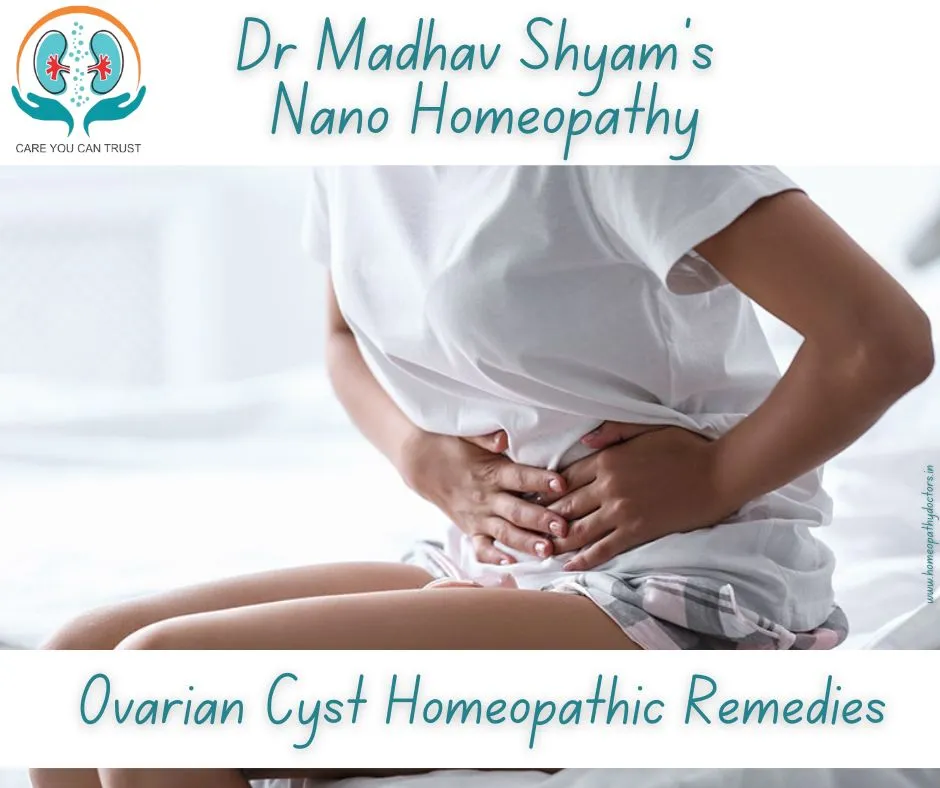
An ovarian cyst is a fluid-filled sac that develops on or in an ovary. They are relatively common and often form during the ovulation process. Most ovarian cysts are benign (non-cancerous) and may not cause any symptoms, resolving on their own without treatment. However, some cysts can cause symptoms and may require medical intervention.
Types of Ovarian Cysts:
Functional Cysts: These are the most common type and include:
Follicular cysts: Form when the follicle (sac) doesn't release the egg and continues to grow.
Corpus luteum cysts: Form when the sac closes after releasing the egg and fluid accumulates inside.
Pathological Cysts: These are less common and can be benign or malignant.
Dermoid cysts: Contain tissue, such as hair, skin, or teeth.
Cystadenomas: Develop from ovarian tissue and can be filled with a watery or mucous material.
Endometriomas: Caused by endometriosis, where uterine lining tissue grows outside the uterus.
Symptoms:
Pain or bloating in the lower abdomen
Pain during intercourse
Menstrual irregularities
Frequent urination or difficulty emptying the bladder
Nausea or vomiting
Common Homeopathic Remedies for Ovarian Cysts:
Apis Mellifica: Often used for cysts with sharp, stinging pains, and swelling. It is also indicated for ovarian cysts with a sensation of fullness and tenderness.
Bellis Perennis: Recommended for ovarian cysts with a feeling of soreness and bruising. It's typically used when there is a history of trauma or surgery.
Calcarea Carbonica: Suitable for women who are overweight and experience heavy, irregular periods. It is often used for cysts accompanied by fatigue and cold sensitivity.
Lachesis: Indicated for left-sided ovarian cysts with intense pain that worsens before menstruation. It may also help with cysts that cause irritability and mood swings.
Pulsatilla: Useful for ovarian cysts with a changeable nature of symptoms, such as pain that shifts locations. It is often recommended for women with irregular periods and emotional sensitivity.
Sepia: Often used for cysts associated with a dragging sensation in the pelvis and a feeling of heaviness. It is also indicated for women who experience irritability and apathy.
General Homeopathic Approach:
Constitutional Treatment: Homeopaths often consider the individual's overall constitution, including physical, emotional, and mental aspects, before prescribing a remedy. A remedy that matches the person's overall symptom picture is chosen.
Symptom Similarity: The principle of "like cures like" is central to homeopathy. A substance that causes symptoms in a healthy person is used in diluted form to treat similar symptoms in an ill person.
Dilution and Potency: Homeopathic remedies are prepared through a process of serial dilution and succussion (vigorous shaking). The potency of the remedy is determined by the number of dilutions and succussions.
Types of Ovarian Cysts:
Functional Cysts: These are the most common type and include:
Follicular cysts: Form when the follicle (sac) doesn't release the egg and continues to grow.
Corpus luteum cysts: Form when the sac closes after releasing the egg and fluid accumulates inside.
Pathological Cysts: These are less common and can be benign or malignant.
Dermoid cysts: Contain tissue, such as hair, skin, or teeth.
Cystadenomas: Develop from ovarian tissue and can be filled with a watery or mucous material.
Endometriomas: Caused by endometriosis, where uterine lining tissue grows outside the uterus.
Symptoms:
Pain or bloating in the lower abdomen
Pain during intercourse
Menstrual irregularities
Frequent urination or difficulty emptying the bladder
Nausea or vomiting
Common Homeopathic Remedies for Ovarian Cysts:
Apis Mellifica: Often used for cysts with sharp, stinging pains, and swelling. It is also indicated for ovarian cysts with a sensation of fullness and tenderness.
Bellis Perennis: Recommended for ovarian cysts with a feeling of soreness and bruising. It's typically used when there is a history of trauma or surgery.
Calcarea Carbonica: Suitable for women who are overweight and experience heavy, irregular periods. It is often used for cysts accompanied by fatigue and cold sensitivity.
Lachesis: Indicated for left-sided ovarian cysts with intense pain that worsens before menstruation. It may also help with cysts that cause irritability and mood swings.
Pulsatilla: Useful for ovarian cysts with a changeable nature of symptoms, such as pain that shifts locations. It is often recommended for women with irregular periods and emotional sensitivity.
Sepia: Often used for cysts associated with a dragging sensation in the pelvis and a feeling of heaviness. It is also indicated for women who experience irritability and apathy.
General Homeopathic Approach:
Constitutional Treatment: Homeopaths often consider the individual's overall constitution, including physical, emotional, and mental aspects, before prescribing a remedy. A remedy that matches the person's overall symptom picture is chosen.
Symptom Similarity: The principle of "like cures like" is central to homeopathy. A substance that causes symptoms in a healthy person is used in diluted form to treat similar symptoms in an ill person.
Dilution and Potency: Homeopathic remedies are prepared through a process of serial dilution and succussion (vigorous shaking). The potency of the remedy is determined by the number of dilutions and succussions.
Keywords