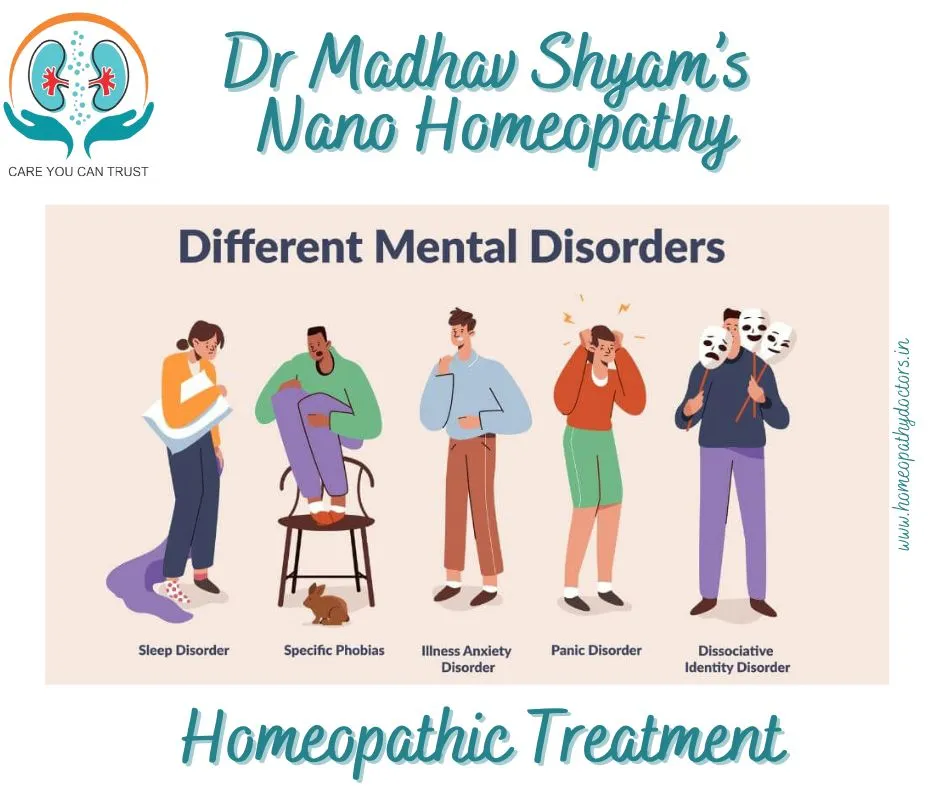
What are Mental disorders?
Mental disorders, also referred to as psychiatric disorders or mental illnesses, are conditions that affect a person's thinking, feeling, mood, or behaviour. These disorders can significantly impact a person's ability to function in daily life and can vary widely in severity.
There are many different types of mental disorders, each with its own set of symptoms and characteristics. Some common examples include:
Anxiety disorders: These disorders involve excessive worry, fear, or nervousness. Examples include generalised anxiety disorder, panic disorder, phobias, and social anxiety disorder.
Mood disorders: Mood disorders involve disturbances in mood, such as depression, bipolar disorder, and cyclothymic disorder. These disorders can affect a person's emotional state, causing periods of sadness, euphoria, or irritability.
Psychotic disorders: Psychotic disorders involve disruptions in thinking and perception, leading to symptoms such as hallucinations, delusions, and disorganised thinking. Schizophrenia is one example of a psychotic disorder.
Personality disorders: Personality disorders involve enduring patterns of behaviour, cognition, and inner experience that deviate from societal expectations and cause distress or impairment. Examples include borderline personality disorder, narcissistic personality disorder, and antisocial personality disorder.
Eating disorders: Eating disorders involve disturbances in eating behaviour and body image, such as anorexia nervosa, bulimia nervosa, and binge-eating disorder.
Substance use disorders: Substance use disorders involve problematic use of substances such as alcohol, drugs, or medications, leading to significant impairment or distress.
Neurodevelopmental disorders: Neurodevelopmental disorders involve impairments in brain function that affect emotion, learning ability, and behaviour. Examples include attention-deficit/hyperactivity disorder (ADHD), autism spectrum disorder, and intellectual disability.
Trauma- and stressor-related disorders: These disorders develop in response to traumatic or stressful events, such as post-traumatic stress disorder (PTSD) and acute stress disorder.
How can homoeopathic remedies help with mental disorders?
Homoeopathy offers a range of remedies that practitioners believe can potentially help alleviate symptoms associated with various mental disorders. Seeking guidance from a qualified homoeopath or healthcare professional is essential for proper diagnosis and treatment. Here are some commonly used homoeopathic remedies for mental disorders:
Arsenicum album: This remedy may be recommended for individuals experiencing anxiety, restlessness, obsessive-compulsive tendencies, and fear of being alone or of death.
Aurum metallicum: This remedy is often suggested for individuals with depression, particularly those who experience feelings of worthlessness, hopelessness, and suicidal thoughts.
Ignatia amara: Ignatia is often used for acute grief, sadness, and emotional distress, especially after a loss or disappointment. It may help individuals who experience mood swings, crying spells, and suppressed emotions.
Lycopodium clavatum: This remedy is commonly prescribed for individuals with low self-esteem, performance anxiety, fear of failure, and digestive issues associated with stress.
Natrum muriaticum: Natrum mur is indicated for individuals who suppress emotions, particularly grief, after experiencing a loss. It may help with depression, sadness, and feelings of isolation.
Pulsatilla: Pulsatilla is recommended for individuals who are emotionally sensitive, clingy, and easily moved to tears. It may help with mood swings, anxiety, and symptoms aggravated by consolation.
Staphysagria: This remedy is often used for individuals who suppress anger or have difficulty expressing their emotions. It may help with resentment, suppressed emotions, and feelings of victimisation.
Stramonium: Stramonium is suggested for individuals with intense fears, nightmares, and anxiety, especially after experiencing a traumatic event.
Thuja occidentalis: Thuja is often recommended for individuals with anxiety, depression, and mood swings associated with suppressed emotions or past traumas.
Anacardium orientale: This remedy is indicated for individuals who experience feelings of disconnection, lack of self-confidence, and a sense of duality within themselves.
It's crucial to consult with a qualified homoeopath or healthcare professional before using homoeopathic remedies for mental health concerns. Additionally, integrating homoeopathic treatment with conventional therapies may offer a more comprehensive approach to managing mental disorders effectively.
Mental disorders, also referred to as psychiatric disorders or mental illnesses, are conditions that affect a person's thinking, feeling, mood, or behaviour. These disorders can significantly impact a person's ability to function in daily life and can vary widely in severity.
There are many different types of mental disorders, each with its own set of symptoms and characteristics. Some common examples include:
Anxiety disorders: These disorders involve excessive worry, fear, or nervousness. Examples include generalised anxiety disorder, panic disorder, phobias, and social anxiety disorder.
Mood disorders: Mood disorders involve disturbances in mood, such as depression, bipolar disorder, and cyclothymic disorder. These disorders can affect a person's emotional state, causing periods of sadness, euphoria, or irritability.
Psychotic disorders: Psychotic disorders involve disruptions in thinking and perception, leading to symptoms such as hallucinations, delusions, and disorganised thinking. Schizophrenia is one example of a psychotic disorder.
Personality disorders: Personality disorders involve enduring patterns of behaviour, cognition, and inner experience that deviate from societal expectations and cause distress or impairment. Examples include borderline personality disorder, narcissistic personality disorder, and antisocial personality disorder.
Eating disorders: Eating disorders involve disturbances in eating behaviour and body image, such as anorexia nervosa, bulimia nervosa, and binge-eating disorder.
Substance use disorders: Substance use disorders involve problematic use of substances such as alcohol, drugs, or medications, leading to significant impairment or distress.
Neurodevelopmental disorders: Neurodevelopmental disorders involve impairments in brain function that affect emotion, learning ability, and behaviour. Examples include attention-deficit/hyperactivity disorder (ADHD), autism spectrum disorder, and intellectual disability.
Trauma- and stressor-related disorders: These disorders develop in response to traumatic or stressful events, such as post-traumatic stress disorder (PTSD) and acute stress disorder.
How can homoeopathic remedies help with mental disorders?
Homoeopathy offers a range of remedies that practitioners believe can potentially help alleviate symptoms associated with various mental disorders. Seeking guidance from a qualified homoeopath or healthcare professional is essential for proper diagnosis and treatment. Here are some commonly used homoeopathic remedies for mental disorders:
Arsenicum album: This remedy may be recommended for individuals experiencing anxiety, restlessness, obsessive-compulsive tendencies, and fear of being alone or of death.
Aurum metallicum: This remedy is often suggested for individuals with depression, particularly those who experience feelings of worthlessness, hopelessness, and suicidal thoughts.
Ignatia amara: Ignatia is often used for acute grief, sadness, and emotional distress, especially after a loss or disappointment. It may help individuals who experience mood swings, crying spells, and suppressed emotions.
Lycopodium clavatum: This remedy is commonly prescribed for individuals with low self-esteem, performance anxiety, fear of failure, and digestive issues associated with stress.
Natrum muriaticum: Natrum mur is indicated for individuals who suppress emotions, particularly grief, after experiencing a loss. It may help with depression, sadness, and feelings of isolation.
Pulsatilla: Pulsatilla is recommended for individuals who are emotionally sensitive, clingy, and easily moved to tears. It may help with mood swings, anxiety, and symptoms aggravated by consolation.
Staphysagria: This remedy is often used for individuals who suppress anger or have difficulty expressing their emotions. It may help with resentment, suppressed emotions, and feelings of victimisation.
Stramonium: Stramonium is suggested for individuals with intense fears, nightmares, and anxiety, especially after experiencing a traumatic event.
Thuja occidentalis: Thuja is often recommended for individuals with anxiety, depression, and mood swings associated with suppressed emotions or past traumas.
Anacardium orientale: This remedy is indicated for individuals who experience feelings of disconnection, lack of self-confidence, and a sense of duality within themselves.
It's crucial to consult with a qualified homoeopath or healthcare professional before using homoeopathic remedies for mental health concerns. Additionally, integrating homoeopathic treatment with conventional therapies may offer a more comprehensive approach to managing mental disorders effectively.
Keywords