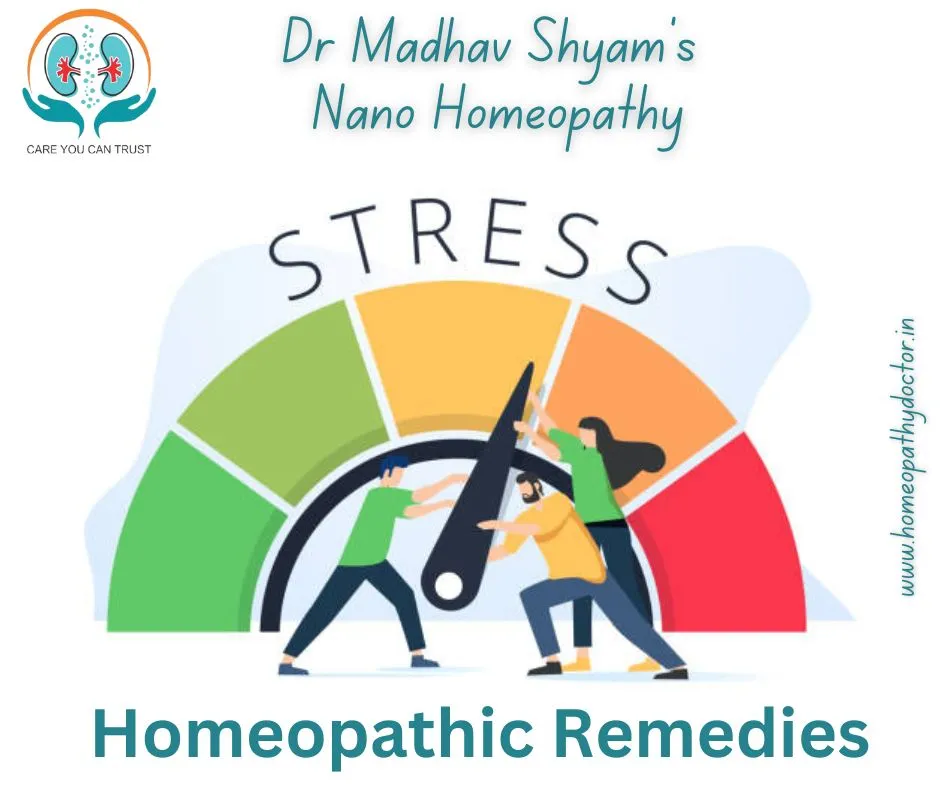
Homeopathy offers a variety of remedies aimed at managing stress and anxiety by focusing on the individual’s specific emotional and physical symptoms.
Here are some commonly used homeopathic remedies for stress:
1. Aconitum Napellus (Aconite)
Best for: Sudden onset of intense anxiety, panic attacks, or fear.
Symptoms: Restlessness, fear of death, and sudden anxiety, often triggered by shock or a traumatic event.
Key features: Helpful when stress manifests as acute anxiety with physical symptoms like a rapid heartbeat or shortness of breath.
2. Argentum Nitricum (Silver Nitrate)
Best for: Anxiety caused by anticipation or fear of upcoming events (like exams, public speaking, or deadlines).
Symptoms: Nervousness, impulsive behavior, trembling, and digestive issues (e.g., diarrhea) due to anxiety.
Key features: Suitable for those who are easily stressed or anxious when anticipating stressful situations.
3. Arsenicum Album (Arsenic Trioxide)
Best for: Anxiety, restlessness, and perfectionism.
Symptoms: People who are very meticulous, worry about health or safety, and often experience restlessness, especially at night.
Key features: Helpful for those who worry constantly and feel exhausted by their anxiety.
4. Calcarea Carbonica (Calcium Carbonate)
Best for: People who feel overwhelmed by stress, especially when managing many responsibilities.
Symptoms: Overwhelmed, tired, easily fatigued, and anxious about health or security.
Key features: Beneficial for those who are physically and mentally worn out by the pressures of daily life.
5. Gelsemium (Yellow Jasmine)
Best for: Performance anxiety or stress-related to fear of failure.
Symptoms: Feeling paralyzed by fear, mental dullness, trembling, weakness, or drowsiness. Often used for stress related to public speaking or exams.
Key features: Works well for those who feel debilitated by stress and want to withdraw or sleep.
6. Ignatia Amara (St. Ignatius Bean)
Best for: Grief, emotional stress, or trauma.
Symptoms: Feelings of sadness, mood swings, difficulty expressing emotions, and frequent sighing or a sensation of a lump in the throat.
Key features: Commonly used for stress resulting from emotional trauma, loss, or grief.
7. Kali Phosphoricum (Potassium Phosphate)
Best for: Mental exhaustion and stress from overwork.
Symptoms: Nervousness, irritability, fatigue, mental strain, and insomnia due to excessive work or study.
Key features: Ideal for individuals who are mentally overworked and physically drained.
8. Lycopodium (Clubmoss)
Best for: People who appear confident but feel insecure or anxious internally.
Symptoms: Low self-esteem, fear of failure, digestive issues like bloating or gas, and a need for control.
Key features: Helps those who worry about performance or social situations but hide their insecurities well.
9. Nux Vomica (Poison Nut)
Best for: Stress caused by overwork, irritability, and an unhealthy lifestyle (such as excessive caffeine, alcohol, or rich foods).
Symptoms: Tension, irritability, impatience, digestive problems, headaches, and insomnia due to an overstimulated lifestyle.
Key features: Suited for ambitious, driven individuals who are easily frustrated by stress.
10. Phosphorus
Best for: People who are easily stressed, sensitive, and emotionally affected by others.
Symptoms: Nervousness, fear, sensitivity to stimuli, and a desire for companionship. Often used for people who are emotionally or physically drained by stress.
Key features: Helps those who feel overwhelmed by stress and need emotional support and reassurance.
11. Pulsatilla (Windflower)
Best for: People who are emotionally sensitive, dependent on others, and easily overwhelmed by stress.
Symptoms: Mood swings, tearfulness, a desire for comfort and affection, and a tendency to feel better when outdoors or in fresh air.
Key features: Useful for those who feel emotionally fragile and need reassurance and support.
12. Sepia (Cuttlefish Ink)
Best for: People who feel exhausted, overwhelmed, and emotionally detached.
Symptoms: Irritability, moodiness, a desire to be left alone, and physical exhaustion, often associated with hormonal imbalances.
Key features: Suitable for individuals who feel worn out by stress and emotionally disconnected from loved ones.
Guidelines for Use:
Dosage: Homeopathic remedies are typically taken in low potencies (e.g., 30C or 200C) and in the form of pellets, tablets, or liquid drops. The dosage and frequency depend on the individual's symptoms and response to the remedy. Always follow the guidance of a qualified homeopath or practitioner.
Individualization: Homeopathy treats the person, not just the condition. Remedies are selected based on the individual’s overall emotional and physical state.
Here are some commonly used homeopathic remedies for stress:
1. Aconitum Napellus (Aconite)
Best for: Sudden onset of intense anxiety, panic attacks, or fear.
Symptoms: Restlessness, fear of death, and sudden anxiety, often triggered by shock or a traumatic event.
Key features: Helpful when stress manifests as acute anxiety with physical symptoms like a rapid heartbeat or shortness of breath.
2. Argentum Nitricum (Silver Nitrate)
Best for: Anxiety caused by anticipation or fear of upcoming events (like exams, public speaking, or deadlines).
Symptoms: Nervousness, impulsive behavior, trembling, and digestive issues (e.g., diarrhea) due to anxiety.
Key features: Suitable for those who are easily stressed or anxious when anticipating stressful situations.
3. Arsenicum Album (Arsenic Trioxide)
Best for: Anxiety, restlessness, and perfectionism.
Symptoms: People who are very meticulous, worry about health or safety, and often experience restlessness, especially at night.
Key features: Helpful for those who worry constantly and feel exhausted by their anxiety.
4. Calcarea Carbonica (Calcium Carbonate)
Best for: People who feel overwhelmed by stress, especially when managing many responsibilities.
Symptoms: Overwhelmed, tired, easily fatigued, and anxious about health or security.
Key features: Beneficial for those who are physically and mentally worn out by the pressures of daily life.
5. Gelsemium (Yellow Jasmine)
Best for: Performance anxiety or stress-related to fear of failure.
Symptoms: Feeling paralyzed by fear, mental dullness, trembling, weakness, or drowsiness. Often used for stress related to public speaking or exams.
Key features: Works well for those who feel debilitated by stress and want to withdraw or sleep.
6. Ignatia Amara (St. Ignatius Bean)
Best for: Grief, emotional stress, or trauma.
Symptoms: Feelings of sadness, mood swings, difficulty expressing emotions, and frequent sighing or a sensation of a lump in the throat.
Key features: Commonly used for stress resulting from emotional trauma, loss, or grief.
7. Kali Phosphoricum (Potassium Phosphate)
Best for: Mental exhaustion and stress from overwork.
Symptoms: Nervousness, irritability, fatigue, mental strain, and insomnia due to excessive work or study.
Key features: Ideal for individuals who are mentally overworked and physically drained.
8. Lycopodium (Clubmoss)
Best for: People who appear confident but feel insecure or anxious internally.
Symptoms: Low self-esteem, fear of failure, digestive issues like bloating or gas, and a need for control.
Key features: Helps those who worry about performance or social situations but hide their insecurities well.
9. Nux Vomica (Poison Nut)
Best for: Stress caused by overwork, irritability, and an unhealthy lifestyle (such as excessive caffeine, alcohol, or rich foods).
Symptoms: Tension, irritability, impatience, digestive problems, headaches, and insomnia due to an overstimulated lifestyle.
Key features: Suited for ambitious, driven individuals who are easily frustrated by stress.
10. Phosphorus
Best for: People who are easily stressed, sensitive, and emotionally affected by others.
Symptoms: Nervousness, fear, sensitivity to stimuli, and a desire for companionship. Often used for people who are emotionally or physically drained by stress.
Key features: Helps those who feel overwhelmed by stress and need emotional support and reassurance.
11. Pulsatilla (Windflower)
Best for: People who are emotionally sensitive, dependent on others, and easily overwhelmed by stress.
Symptoms: Mood swings, tearfulness, a desire for comfort and affection, and a tendency to feel better when outdoors or in fresh air.
Key features: Useful for those who feel emotionally fragile and need reassurance and support.
12. Sepia (Cuttlefish Ink)
Best for: People who feel exhausted, overwhelmed, and emotionally detached.
Symptoms: Irritability, moodiness, a desire to be left alone, and physical exhaustion, often associated with hormonal imbalances.
Key features: Suitable for individuals who feel worn out by stress and emotionally disconnected from loved ones.
Guidelines for Use:
Dosage: Homeopathic remedies are typically taken in low potencies (e.g., 30C or 200C) and in the form of pellets, tablets, or liquid drops. The dosage and frequency depend on the individual's symptoms and response to the remedy. Always follow the guidance of a qualified homeopath or practitioner.
Individualization: Homeopathy treats the person, not just the condition. Remedies are selected based on the individual’s overall emotional and physical state.
Keywords